From Trauma to Healing: Understanding…
From Trauma to Healing Understanding the Recovery Journey Trauma can leave deep scars that aren’t always visible, but healing is…

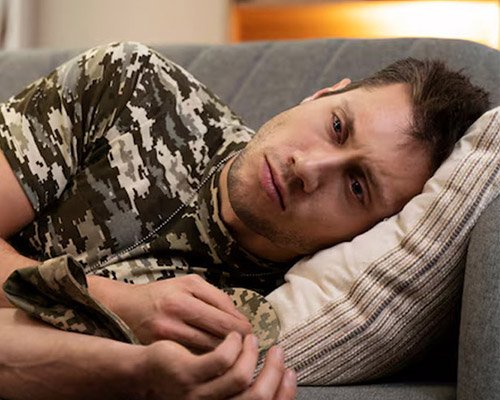
Post-Traumatic Stress Disorder (PTSD) can feel like a shadow following you long after the trauma is over. But with support, healing is possible—and many people go on to lead meaningful, empowered lives.

Understanding PTSD
PTSD develops after experiencing or witnessing a traumatic event. Symptoms may include flashbacks, nightmares, emotional numbness, heightened startle responses, and avoidance of triggers. These can interfere with everyday activities and relationships.
Recovery Is Not Linear
Healing from PTSD is a personal journey and doesn’t happen overnight. There may be setbacks, and progress can feel slow at times. But each small step forward is part of a greater path toward reclaiming control.
Therapy Helps Rebuild Safety
Trauma-focused therapies such as EMDR (Eye Movement Desensitization and Reprocessing) or Cognitive Processing Therapy (CPT) can be incredibly effective. These treatments help process traumatic memories and reduce their emotional intensity.
Support Systems Matter
Connecting with understanding friends, family, or support groups can make a big difference. Isolation often worsens PTSD, while safe, nurturing environments foster healing.
Rebuilding Life and Identity
Many people find strength in their recovery. They learn new coping strategies, rediscover passions, and often develop deeper empathy. Healing doesn’t mean forgetting—it means learning to live without the trauma controlling your life.
You are not alone. With the right guidance and tools, you can reclaim your sense of safety, purpose, and peace.
From Trauma to Healing Understanding the Recovery Journey Trauma can leave deep scars that aren’t always visible, but healing is…

Reclaiming Your Life After PTSD Post-Traumatic Stress Disorder (PTSD) can feel like a shadow following you long after the trauma…

How Depression Affects the Body and Mind Depression is often thought of as an emotional condition, but its impact goes…